
Yuh Siang Garden · Bukit Timah · Est. 1972 Field Notes from the Curators
Global Wellness and the Rise of Yoga in South Africa
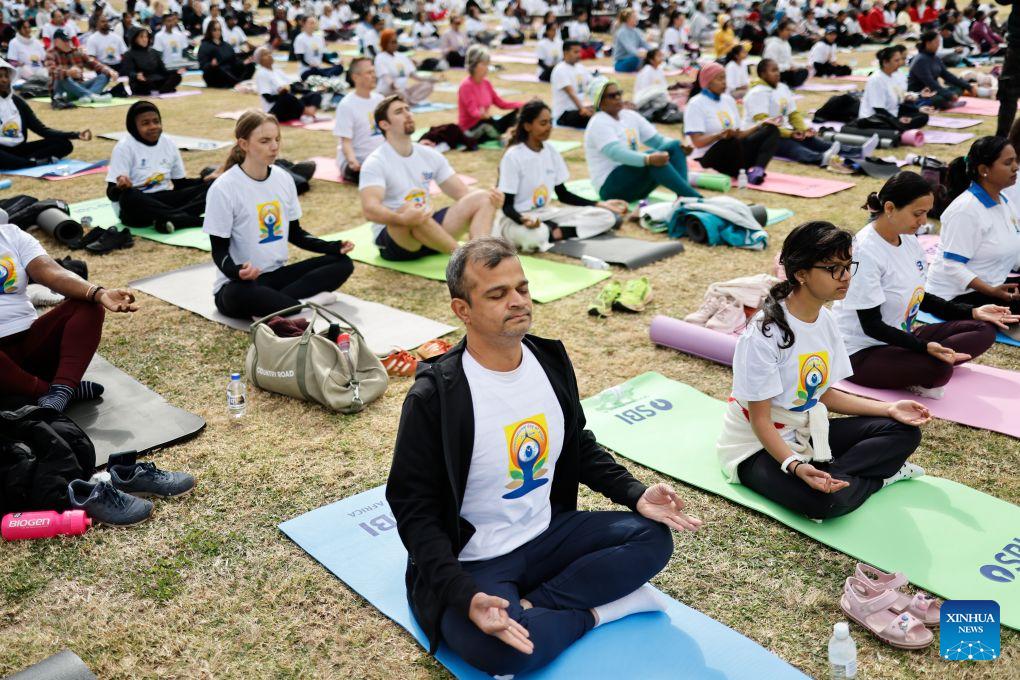
The celebration of the International Day of Yoga at the Randburg Cricket Club in Johannesburg this year underscores a significant global and regional trend: the transformation of yoga from a niche practice into a foundational pillar of the multi-trillion-dollar wellness economy. With Johannesburg hosting one of Africa’s largest celebrations, the event highlights how community-based wellness is becoming a primary vehicle for social cohesion and preventive healthcare. In 2026, the global wellness industry has reached an estimated valuation of $7.8 trillion, with a steady annual growth rate of 8.5%. This is no longer just "self-care"; it is a massive economic sector where consumers, particularly Gen Z and millennials, are increasingly prioritizing measurable health outcomes over material goods.
The data for South Africa specifically reflects this trajectory. The local yoga market is projected to reach approximately $4.7 billion by 2033, with a robust compound annual growth rate (CAGR) of 9.7% expected between 2026 and 2033. As populations age and the prevalence of non-communicable diseases rises, the theme "Yoga for Healthy Ageing"—the focus of this year's global observance—has resonated deeply. Yoga is being integrated into official health protocols for conditions like hypertension and diabetes, moving away from purely aesthetic or "fitness-focused" marketing toward science-backed, preventive medicine. In the Middle East and Africa (MEA) region, which is seeing a 10.2% CAGR in the yoga sector, there is a clear shift toward both offline studio experiences and rapid digital adoption via online platforms and mobile health (mHealth) applications.
This growth is driven by a broader societal recognition that physical and mental health are intrinsically linked. With 84% of consumers now ranking wellness as a top priority and 70% citing "mental health" as their primary reason for wellness-related spending, the demand for accessible, scalable practices like yoga has never been higher. The success of the Johannesburg event, which featured health screenings and wellness activations, illustrates how fitness infrastructure is evolving to become more holistic. Whether through corporate wellness programs, specialized programs for senior citizens, or the proliferation of wellness tourism, yoga is firmly establishing itself as a low-cost, high-impact intervention for modern health challenges. As industry data from People's Daily and other global reports suggest, we are witnessing a permanent shift in how populations—from Johannesburg to New Delhi—approach longevity, daily physical activity, and long-term personal vitality.
Plan a visit
The garden is open Tuesday through Sunday. Visitor numbers are capped to protect the collections.
Reserve your timed entry in advance. Members of the Heritage Trust enjoy unlimited weekday access and a printed quarterly Living Index.