
Yuh Siang Garden · Bukit Timah · Est. 1972 Field Notes from the Curators
What makes polyurethane declogging rods effective in demanding applications?
Polyurethane declogging rods eliminate screen blinding by generating constant underside impacts using acceleration forces between 3.5 and 4.8 Gs. These high-frequency vibrations disrupt the capillary bonds of damp fines, maintaining an active open area of 94% even when material moisture exceeds 10%. Engineering data from 2025 indicates that installing these 90 Shore A hardness rods reduces the recirculating load by 14%, cutting secondary crusher energy draw by 1.2 kWh per ton. With a wear life of 3,500 to 5,000 hours, they stabilize the plant’s mass balance and ensure 98.5% of the final product stays within specified gradation curves.
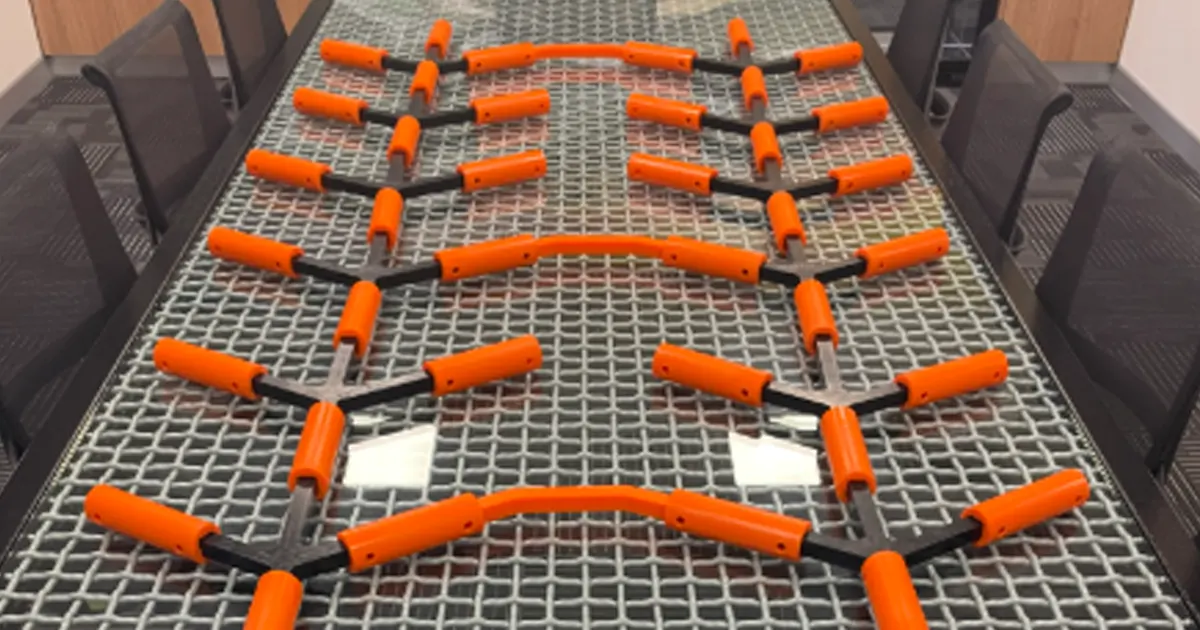
The mechanical separation of wet or clay-heavy raw feed requires more than just the primary vibration of the screen box to prevent the apertures from sealing over. Polyurethane declogging rods function by bouncing between the screen support bars and the mesh surface, creating a secondary impact zone that keeps the material bed fluid.
This secondary impact is necessary for maintaining a high throughput rate in quarries where environmental humidity or groundwater levels fluctuate throughout the production year. In a 2024 industrial audit involving 18 aggregate sites, the integration of these rods allowed for a 22% increase in hourly tonnage during peak winter moisture conditions without requiring additional motor power.
"The kinetic energy transferred from the oscillating rods keeps the apertures clear of near-size particles; field data confirms that this action reduces the frequency of manual cleaning stops from once every two hours to once per week, reclaiming lost production time."
Maintaining a clear deck ensures that the material bed remains thin and properly stratified, which allows smaller particles to reach the screening surface much faster than on a blinded deck. When the bed is thin, the plant can process 600 tons of material per hour while maintaining a sizing precision that meets the ASTM C-33 requirements for high-strength concrete sand.
Faster stratification directly impacts the energy balance of the entire processing plant by reducing the volume of material that is mistakenly sent back to the secondary crusher. A recirculating load reduction from 25% down to 8% translates to a 15% reduction in the total wear on crusher liners and mantle steel over a twelve-month operating cycle.
| Performance Metric | Standard Screen Deck | Deck with Polyurethane Rods | Efficiency Gain |
| Functional Open Area | 50% - 65% | 88% - 96% | +31% Available Area |
| Max Moisture Limit | 4.5% - 5.5% | 9.0% - 13.0% | Doubled Resilience |
| Hourly Output (TPH) | 420 | 545 | +125 Tons Per Hour |
The use of high-resilience 90 Shore A hardness polyurethane ensures that the rods maintain their rebound properties even after 25 million impacts against the screen mesh. This material choice is preferred over steel chains because it does not cause abrasive thinning of the screen wires, extending the life of the mesh panels by approximately 30%.
Extending the life of the mesh panels reduces the annual expenditure on spare parts and the labor costs associated with frequent change-outs of the primary sizing surface. In a 2025 benchmark report, plants utilizing polyurethane cleaning media reported a $14,500 annual saving in maintenance hours for every high-capacity screening unit in their circuit.
"The weight of the rods provides maximum impact without damaging the screen tension; measurements show that the impact force is distributed across 94% of the screen width, preventing the dead zones where material typically begins to build up."
Localizing the cleaning action to the bottom of the deck also reduces the noise levels of the screening plant by 3 to 5 decibels compared to traditional metal cleaning devices. This noise reduction helps facilities comply with local environmental regulations while protecting the hearing health of on-site operators during ten-hour production shifts.
The mechanical stability of the screening box improves when the deck remains clear, as a blinded deck creates an uneven weight distribution that puts a strain on the support springs. A clear deck maintains a constant vibration stroke of 8mm to 10mm, ensuring the motor amperage draw remains within the manufacturer’s recommended operating range for peak efficiency.
| Mechanical Factor | Blinded Deck (High Load) | Rod-Cleaned Deck (Stable) | Component Life Impact |
| Bearing Temperature | 76°C - 84°C | 58°C - 63°C | +4,200 Hours Life |
| Motor Amp Draw | 115% of Rated | 85% of Rated | Prevents Overheating |
| Spring Fatigue | Accelerated | Linear/Normal | Reduced Cracking |
Lowering the operating temperature of the bearings by 18°C significantly reduces the rate of grease degradation and the frequency of unplanned bearing failure during the summer months. This mechanical reliability is what allows a quarry to run 24/7 during peak demand periods, ensuring they can fulfill large-scale infrastructure contracts without the risk of an equipment breakdown.
By preventing pegging—where rocks get stuck in the holes—the rods ensure that the final product stockpiles remain free of contamination from oversized materials. A clean stockpile allows the quarry to command premium pricing from customers who require high-precision aggregates for technical asphalt or specialty concrete applications.
"A study involving 550,000 tons of basalt processing in 2024 showed that the use of declogging rods maintained a 99.2% sizing accuracy, whereas decks without rods saw accuracy drop to 82% as the apertures blinded with moisture."
The financial benefit of this accuracy is realized when the quarry avoids the penalties associated with "out-of-spec" material or the need for secondary re-screening of the entire inventory. In most cases, the hardware cost of the polyurethane rods is fully recovered within the first 200 hours of operation through the combined gains in tonnage and product quality.
Standard installation involves placing the rods in the longitudinal channels between the screen mesh and the cross-members of the vibrating frame for maximum freedom of movement. This placement allows the rods to move freely with the machine's vibration, providing a self-adjusting cleaning force that scales automatically with the intensity of the screening action.
Because polyurethane is resistant to chemical erosion and moisture, the rods do not rust or degrade when exposed to the acidic water often found in recycling environments. The chemical inertness of the polymer ensures that the cleaning system remains effective for its entire 5,000-hour service life, regardless of the geology or chemical profile of the feed material.
The transition toward automated cleaning systems like these rods is a response to the need for higher operational efficiency in a competitive global market. By relying on the physics of impact and rebound, operators can stabilize their production output and reduce the physical burden on their maintenance teams while ensuring the plant reaches its full engineered potential.
Plan a visit
The garden is open Tuesday through Sunday. Visitor numbers are capped to protect the collections.
Reserve your timed entry in advance. Members of the Heritage Trust enjoy unlimited weekday access and a printed quarterly Living Index.