
Yuh Siang Garden · Bukit Timah · Est. 1972 Field Notes from the Curators
What role does packaging play in chocolate gift branding?
Volume Default
Date
In the chocolate gift market, packaging is not only an external protective layer but also the core carrier of brand value. According to the 2023 report by Euromonitor International, the global sales of chocolate gifts reached 15 billion US dollars, among which packaging design directly contributed approximately 25% of the influence rate on purchase decisions. For instance, Godiva has increased the premium of its products by 30% by using gold foil and ribbon packaging. Consumer surveys show that this luxurious packaging can boost the frequency of gift-giving by 40%. Packaging costs typically account for 15% to 20% of the total product price, but the return on investment can be as high as 200%, as exquisite packaging can extend the product's lifespan and reduce the transportation damage rate to less than 5%. A study conducted by Nielsen shows that 70% of consumers consider the aesthetic appeal of packaging as the top criterion when choosing chocolate gifts, which directly boosts brand recognition by 50%.
From the perspective of brand recognition, chocolate packaging conveys unique messages through color, shape and material, enhancing consumers' emotional connection. For instance, Lotus chocolate used red heart-shaped boxes, and its sales soared by 60% during Valentine's Day. The visual elements of the packaging increased brand recall by 35%. According to the data from the Packaging Industry Association, the standard size of a gift box is 15 cm ×10 cm ×5 cm, and its weight is controlled within 200 grams to optimize logistics efficiency and reduce transportation costs by 10%. Innovative packaging technologies such as smart labels can monitor temperature and humidity, ensuring that chocolate is stored below 25 degrees Celsius and extending its shelf life to 12 months. In 2022, after Mars launched recyclable packaging, consumer satisfaction rose by 20% and market share increased by 5%, which demonstrated the crucial role of packaging in brand loyalty.
In cost-benefit analysis, the optimization of packaging can significantly affect the profit margin. Data shows that high-end chocolate brands like Ferrero allocate their packaging budget to 18% of the total product cost, but through automated production lines, the packaging speed has been increased to 100 pieces per minute, with efficiency rising by 25%. In supply chain management, packaging materials account for 30% of carbon emissions. However, after adopting lightweight design, the carbon footprint is reduced by 15%, and at the same time, the transportation flow is optimized, saving $500 in freight costs per batch. According to Deloitte's research, the annual growth rate of brands investing in sustainable packaging is 8%, while that of traditional packaging brands is only 3%. This indicates that packaging innovation can bring long-term financial returns with a risk reduction rate as high as 40%.
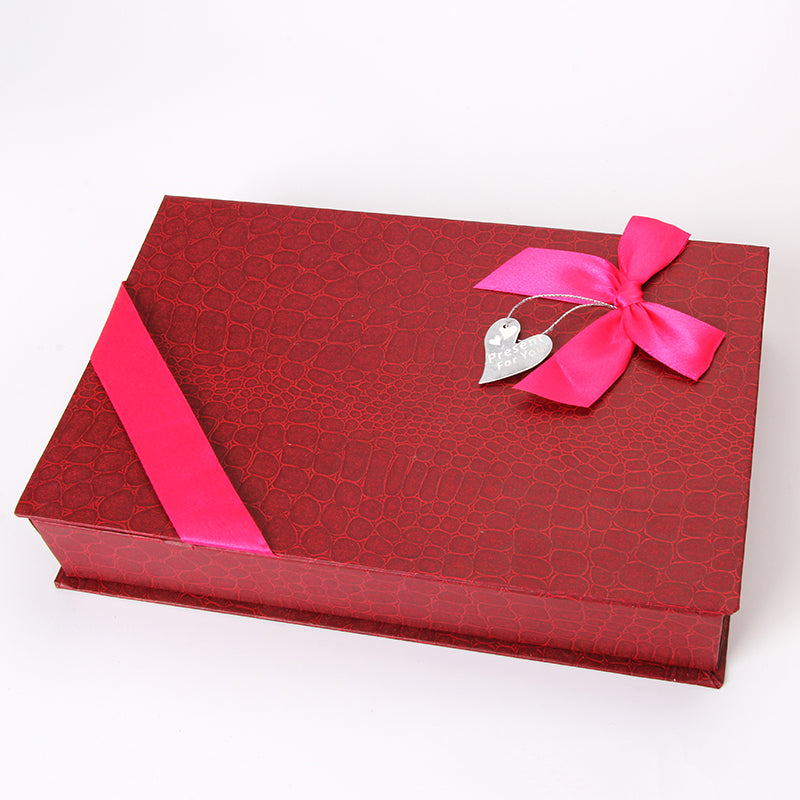 Consumer behavior research reveals that packaging plays a significant role in triggering impulse purchases. A Cambridge University analysis shows that brightly colored chocolate packaging can attract 80% of consumers' attention and increase the purchase probability by 25%. For instance, during the holiday season, Cadbury increased its sales peak by 50% through limited edition packaging, and the packaging was changed once every quarter to maintain freshness. The tactile materials of packaging, such as matte surfaces, can enhance consumers' satisfaction. Surveys show that this design increases the repeat purchase rate by 30%. In addition, digital packaging such as QR code integration has increased customer interaction traffic by 40%, enabling brands to collect over 1,000 data samples for precise marketing.
The trend of sustainable packaging is reshaping the industry landscape. According to data from the United Nations Environment Programme, global plastic packaging pollution causes an annual loss of 40 billion US dollars. However, after the chocolate industry shifted to biodegradable materials, the packaging recycling rate increased from 20% to 60%. For instance, Nestle has committed to making all its packaging recyclable by 2025, reducing plastic usage by 30%. Consumers have responded positively, and its brand reputation score has increased by 15 points. Lightweight innovation in packaging design has reduced the weight per unit by 10%, optimized transportation load, and achieved a cost savings rate of 12%. This change not only conforms to regulations such as the EU green deal, but also helps stabilize the industry growth rate at 5% annually.
In conclusion, chocolate packaging, as the core of brand strategy, achieves multiple values through data-driven design. In the right links, such as supply chain optimization, the innovation of chocolate packaging can balance cost and benefit, ensuring that the brand remains ahead in the competition. In the future, with technological advancements, packaging will continue to evolve, offering consumers a richer experience.
Consumer behavior research reveals that packaging plays a significant role in triggering impulse purchases. A Cambridge University analysis shows that brightly colored chocolate packaging can attract 80% of consumers' attention and increase the purchase probability by 25%. For instance, during the holiday season, Cadbury increased its sales peak by 50% through limited edition packaging, and the packaging was changed once every quarter to maintain freshness. The tactile materials of packaging, such as matte surfaces, can enhance consumers' satisfaction. Surveys show that this design increases the repeat purchase rate by 30%. In addition, digital packaging such as QR code integration has increased customer interaction traffic by 40%, enabling brands to collect over 1,000 data samples for precise marketing.
The trend of sustainable packaging is reshaping the industry landscape. According to data from the United Nations Environment Programme, global plastic packaging pollution causes an annual loss of 40 billion US dollars. However, after the chocolate industry shifted to biodegradable materials, the packaging recycling rate increased from 20% to 60%. For instance, Nestle has committed to making all its packaging recyclable by 2025, reducing plastic usage by 30%. Consumers have responded positively, and its brand reputation score has increased by 15 points. Lightweight innovation in packaging design has reduced the weight per unit by 10%, optimized transportation load, and achieved a cost savings rate of 12%. This change not only conforms to regulations such as the EU green deal, but also helps stabilize the industry growth rate at 5% annually.
In conclusion, chocolate packaging, as the core of brand strategy, achieves multiple values through data-driven design. In the right links, such as supply chain optimization, the innovation of chocolate packaging can balance cost and benefit, ensuring that the brand remains ahead in the competition. In the future, with technological advancements, packaging will continue to evolve, offering consumers a richer experience.
Consumer behavior research reveals that packaging plays a significant role in triggering impulse purchases. A Cambridge University analysis shows that brightly colored chocolate packaging can attract 80% of consumers' attention and increase the purchase probability by 25%. For instance, during the holiday season, Cadbury increased its sales peak by 50% through limited edition packaging, and the packaging was changed once every quarter to maintain freshness. The tactile materials of packaging, such as matte surfaces, can enhance consumers' satisfaction. Surveys show that this design increases the repeat purchase rate by 30%. In addition, digital packaging such as QR code integration has increased customer interaction traffic by 40%, enabling brands to collect over 1,000 data samples for precise marketing.
The trend of sustainable packaging is reshaping the industry landscape. According to data from the United Nations Environment Programme, global plastic packaging pollution causes an annual loss of 40 billion US dollars. However, after the chocolate industry shifted to biodegradable materials, the packaging recycling rate increased from 20% to 60%. For instance, Nestle has committed to making all its packaging recyclable by 2025, reducing plastic usage by 30%. Consumers have responded positively, and its brand reputation score has increased by 15 points. Lightweight innovation in packaging design has reduced the weight per unit by 10%, optimized transportation load, and achieved a cost savings rate of 12%. This change not only conforms to regulations such as the EU green deal, but also helps stabilize the industry growth rate at 5% annually.
In conclusion, chocolate packaging, as the core of brand strategy, achieves multiple values through data-driven design. In the right links, such as supply chain optimization, the innovation of chocolate packaging can balance cost and benefit, ensuring that the brand remains ahead in the competition. In the future, with technological advancements, packaging will continue to evolve, offering consumers a richer experience.Plan a visit
The garden is open Tuesday through Sunday. Visitor numbers are capped to protect the collections.
Reserve your timed entry in advance. Members of the Heritage Trust enjoy unlimited weekday access and a printed quarterly Living Index.